What are Military Contractors
📅 2026 Update: Changes in Military Contract Law
Since the original article on military contractors was published, there have been a few updates worth noting. The landscape of U.S. contract law remains complex, especially concerning military contracts. This update aims to highlight significant changes relevant to the topic of military contracting.
The rest of the article continues further down the page.
📜 Changes in Contract Law
U.S. contract law continues to evolve, impacting how military contracts are formed and enforced. Understanding these changes is crucial for both contractors and the government.
- 🔍 Clearer Contract Terms: Recent updates have emphasized the need for clearer terms in military contracts. This helps prevent misunderstandings and disputes later on.
👨⚖️ Increased Scrutiny on Contractors
There has been increased scrutiny regarding the performance of military contractors. This is to ensure that they meet the standards expected by the government.
- 📝 Performance Metrics: Contractors are now often required to meet specific performance metrics. This adds accountability and can lead to penalties for failure to meet these standards.
🛠️ Breach of Contract Remedies
The remedies for breach of contract in military agreements have also been updated.
- ⚖️ Stricter Penalties: Penalties for breaching contracts can now be more severe, including financial penalties or disqualification from future contracts.
📈 Trends in Contract Types
The types of contracts being used in military operations are changing.
- 🌐 Increased Use of Fixed-Price Contracts: There’s a growing trend towards fixed-price contracts. These contracts can reduce costs and clarify budgeting for military projects.
📌 Key Points to Remember
- 🔑 Clearer contract terms lead to fewer disputes.
- 🔍 Increased scrutiny on contractor performance holds them accountable.
- ⚖️ Stricter penalties for breaches can impact future contract opportunities.
- 📈 Trends show a shift towards fixed-price contracts for better budgeting.
💡 Tips for Understanding Military Contracts
Reviewing your specific situation with an attorney can provide clarity on your legal standing.
📚 Understand Contract Basics
Familiarize yourself with the basic elements of a valid contract, such as offer, acceptance, and consideration. Knowing these can help you navigate any contract disputes that arise.
📝 Review Terms Carefully
Always read the terms of a military contract carefully before signing. Pay attention to clauses related to performance, breach, and remedies to avoid unpleasant surprises.
👁️ Monitor Performance Metrics
If you’re involved with military contracts, keep track of performance metrics. Understanding these can help you stay in compliance and avoid penalties.
📞 Communicate Regularly
Maintain open lines of communication with all parties involved in the contract. Regular discussions can help clarify expectations and address potential issues before they escalate.
🔄 Stay Updated on Legal Changes
Keep yourself informed about changes in U.S. contract law that may affect military contracts. This knowledge is crucial for both contractors and the government.
🏆 Military Contract Services Ranked by User Reviews (2026)
This section explores services that assist with military contracts. These services help individuals and organizations navigate contract law. Their ratings come from Trustpilot data checked in October 2026.
Ratings can change over time, and it’s essential to consider user feedback while evaluating these services.
🥇 1. ContractsCounsel
ContractsCounsel has been rated 5.0. It is known for providing access to experienced contract lawyers and affordable contract services. Reviewers give it high marks for responsiveness and clarity in contract-related matters.
However, the high volume of reviews may include some outdated feedback that should be considered when evaluating its current standing.
🆓 Free Legal Resources
Various free resources are available for those looking to understand military contracts better. Websites such as government agencies or legal aid nonprofits offer valuable insights. These resources can help you learn about your rights and obligations without incurring costs.
🔎 What to Compare When Choosing a Service
- 📊 Evaluate the Trustpilot ratings to gauge customer satisfaction.
- 💬 Look for customer reviews that highlight specific strengths or weaknesses.
- 🛠️ Check if the service offers specialized knowledge in military contracting.
- ⚖️ Consider their track record with government contracts.
❓ Frequently Asked Questions
🤔 What is a military contractor?
A military contractor is a private company that provides goods or services to the military. These contracts can range from logistics to weapon systems.
📄 How are military contracts formed?
Military contracts are formed through a bidding process where companies submit proposals. These proposals are then evaluated based on various criteria before a contract is awarded.
⏳ What happens when a contract is breached?
When a military contract is breached, the government may pursue legal remedies. This can include financial penalties or even disqualification from future contracts.
🚨 Are there penalties for late performance on military contracts?
Yes, penalties for late performance can include financial repercussions and reduced future contract opportunities. Timely completion is crucial for maintaining a good standing.
📈 How do contract types affect military operations?
Different contract types, such as fixed-price or cost-reimbursement contracts, affect budgeting and risk. Understanding these types can help in project planning and execution.
🧐 How can I stay informed about changes in contract law?
Staying informed can involve following legal news platforms, signing up for newsletters, and consulting legal resources regularly. This helps you adapt to any changes that may impact military contracts.
⚖️ Recent Cases in Military Contract Law
Recent court rulings have addressed various issues related to military contracts. These cases can provide insights into how contract law is applied in real situations and affect contractors.
- Puerto Rico court rules on contract dispute over propertyTribunal De Apelaciones De Puerto Rico/Court of Appeals of Puerto Rico · April 6, 2026
- Court rules on contract dispute between Outer Banks Ventures, Inc. and Currituck CountyCourt of Appeals of North Carolina · June 3, 2026
- Court reverses judgment on lease modification disputeDistrict Court of Appeal of Florida · June 3, 2026
- Court rules on breach of contract case involving escrow fundsAppellate Division of the Supreme Court of the State of New York · June 3, 2026
To learn more about recent rulings, check out more rulings on the news page.
End of October 2026 Update
Private military contractors are agencies that provide essential services within the military branch of Government. Military contractors are third party agencies that are privately owned and funded. They specifically aid in staff and services for Government agencies.
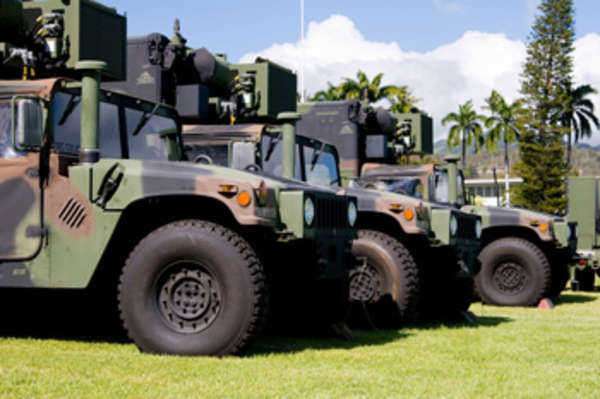
Military personnel, weapons, strategies, and various resources are not specifically distributed through a publicly funded Government system. The incorporation of third parties has infiltrated the majority of American business and the military services unit does not waver from this business model.
Modern day military contractors have varied roles that are somewhat confusing to the general public. Private military contractors can include a number of roles, but each role is specifically designed to aid in the field of military services. A private military contractor is held separate from the delivery of mercenaries or soldiers, however, these services were historically provided by private military contractors.
The services of military contractors are typically found in Government-run police or military enforcement agencies. Military contractors are hired by Government agencies to supplement or train armed forces units in Government agencies. In addition, private military contractors can provide key staff members associated with protection, such as bodyguards, to Government employees who are stationed in hostile territories.
The various roles associated with military contractors can lead many people to think that their roles are specifically aligned with wars or supplying armed forces units with weaponry. The business that these companies are involved in yield many differing opinions and skewed viewpoints. That being said, private military contractors are licensed by Government agencies to protect, train, and reorganize military units who are stationed overseas.