Role of General Contractor
📅 2026 Update: Changes in General Contracting Practices
Since the original article was written, the landscape of general contracting has seen some significant updates. New services now help consumers better understand contract law and navigate their agreements. This update will highlight the most important changes relevant to general contractors and contract law, while the earlier article continues further down the page.
🔍 New Insights on Contract Formation
The way contracts are formed remains crucial. Valid contracts require an offer, acceptance, and consideration. The focus on these elements is growing as more consumers engage with contractors.
Understanding these basics can help prevent disputes.
- 📝 Clarity is Key: Clear terms help avoid misunderstandings.
- 🔒 Consideration Matters: Ensure both parties are contributing something of value.
⚖️ Breach of Contract Developments
Breach of contract cases are still common in the construction industry. Remedies for breach include monetary damages or specific performance. Knowing the remedies available can empower contractors and clients during disputes.
- ⚠️ Types of Breach: There are minor and major breaches, and understanding the difference can affect the outcome.
- 💰 Damages: Expect to pay for losses incurred due to a breach.
🛠️ Common Contract Types Update
Common types of contracts in general contracting include fixed-price and cost-plus contracts. Each type has unique benefits and drawbacks. Consumers are encouraged to choose wisely based on their project needs.
- 📄 Fixed-Price Contracts: These have set costs, making budgeting easier.
- 📊 Cost-Plus Contracts: These can provide flexibility but may lead to higher overall costs.
📋 Enforcing Agreements and Ending Contracts
The process for enforcing or ending contracts remains essential. It is important to follow the terms outlined in the agreement. Understanding these processes can save time and money.
- 🔄 Termination Clauses: Know how and when you can end a contract.
- 📞 Communication: Keep open lines with all parties involved.
📌 Key Points to Remember
- 📝 Valid contracts require clear terms, an offer, and consideration.
- ⚖️ Breaches can lead to monetary damages or other remedies.
- 📄 Fixed-price contracts help with budgeting, while cost-plus contracts offer flexibility.
- 🔄 Termination clauses are vital for understanding how to end agreements.
- 📞 Open communication is crucial in all contracting situations.
💡 Tips for Navigating General Contracts
Review the details of your specific situation with your attorney.
🤝 Understand Contract Basics
Before entering any agreement, familiarize yourself with the basic elements of a contract. Knowing what constitutes a valid contract can prevent issues down the line.
🏗️ Choose the Right Contract Type
Selecting the right contract type for your project is crucial. Consider the size and scope of your work to determine whether a fixed-price or cost-plus contract is best.
📅 Keep Everything in Writing
Always document discussions and agreements. Written records can be invaluable if disputes arise later.
🔍 Review Terms Carefully
Take time to read and understand all terms in a contract before signing. Pay attention to clauses that may affect your rights or obligations.
⚠️ Know Your Rights
Familiarize yourself with your legal rights related to contracts. This knowledge can help you navigate disputes effectively and assertively.
🏆 General Contractor Services Ranked by User Reviews (2026)
This section covers services that assist consumers with contracts in the construction industry. These services are ranked according to Trustpilot data from October 2026. The scores and reviews may fluctuate over time.
Ratings are just one measure of a company's performance, as unhappy customers often leave more reviews.
🥇 1. ContractsCounsel
ContractsCounsel has been rated 5.0. This service is known for providing access to experienced contract lawyers and affordable contract services. Reviewers appreciate the helpfulness of the platform, but note that the high volume of reviews may include some outdated feedback.
🆓 Free Government Resources
There are free resources available that provide information on U.S. contract law. These can help consumers understand their rights and obligations without incurring costs. Government websites offer valuable insights, especially for those navigating contracts for the first time.
🔎 Factors to Compare When Choosing Contract Services
- 🔍 User Ratings: Compare star ratings on platforms like Trustpilot.
- 💬 Review Volume: Look at the number of reviews to gauge reliability.
- 📈 Service Offerings: Consider what specific services are available.
- 📞 Customer Support: Assess the level of support offered to clients.
❓ Frequently Asked Questions
❓ What are the essential elements of a valid contract?
A valid contract must include an offer, acceptance, and consideration. These elements ensure that both parties agree to the terms and understand their obligations.
🏗️ How can I avoid breaches in contract?
To avoid breaches, ensure clear communication and understanding of terms. Carefully review all contract details and seek clarification on any ambiguous points.
📅 What should I do if a contract is breached?
If a breach occurs, review the contract for remedies. You may seek monetary damages or consider negotiating a resolution with the other party.
📝 How can I enforce a contract agreement?
Enforcing a contract involves following the terms outlined in the agreement. If necessary, legal action can be taken to compel performance or seek damages.
🔄 What are termination clauses?
Termination clauses define the conditions under which a contract can be ended. Understanding these clauses is vital for both parties to know their rights.
⚖️ What types of contracts should I consider for my project?
Common contract types include fixed-price and cost-plus contracts. Choose based on your project size, budget, and specific needs.
⚖️ Recent Court Cases Related to Contract Law
Recent court rulings involve various aspects of contract law, particularly in construction cases. Understanding these rulings can provide insights into how courts interpret contract terms and enforce agreements.
- New York court denies appeal in breach of contract caseAppellate Division of the Supreme Court of the State of New York · June 17, 2026
- Texas court affirms verdict in real estate contract disputeTexas Court of Appeals, 7th District (Amarillo) · June 11, 2026
- Ohio Court affirms ruling in Hensley Enterprises contract caseOhio Court of Appeals · June 18, 2026
- Court affirms $3 million award in employment contract caseMichigan Court of Appeals · June 18, 2026
For more recent rulings, feel free to browse more rulings on the news page.
End of October 2026 Update
A general contractor is a third party that contracts with an entity, an organization, or an individual to aid in the construction, demolition, or renovation of a building or structure. General contractors are responsible for organizing all elements of a construction project. Typically, construction projects are large conglomerations of multiple companies.
Electricity, the physical construction of the building, carpenters, demolition companies, etc., are needed to build a structure. As a result of these various companies a construction site needs a third party to help streamline the production of the structure.
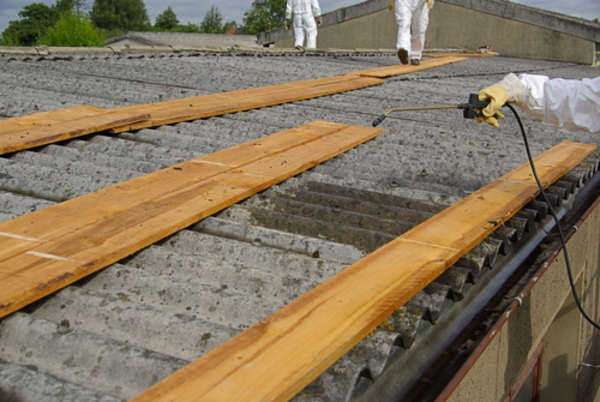
A general contractor is hired by a company to establish the means and methods that are required to effectively execute the construction of a project. In addition, general contractors work in accordance with the contract documents established by the company or government agency responsible for the development of the structure. The contract typically outlines the budget, the general condition and plans of the project, and a specification of the project that offered by a design professional.
General contractors typically start out as construction workers. The necessary experience gained from work experience, offer a general contractor insight about the different aspects about construction. Since the general contractor is responsible for overseeing multiple construction companies, it is essential they understand the various subcategories of the construction field.
A general contractor should be well-versed in the fields of masonry, carpentry, plumbing, framing, demolition, and other aspects of construction. A general contractor will use the knowledge to efficiently organize a construction project. The general contractor supplies the companies and subcontractors with necessary tools and a developed schedule that outlines the intended roles of all the companies included in the project.